As more travellers turn to AI to plan their holidays, tourism businesses face a new challenge: making sure they can be found and recommended by AI-powered search platforms.
Research from global travel industry authority Phocuswright found that 56% of active U.S. travellers had used AI for trip planning, booking or assistance in the past 12 months, up from 33% in the first half of 2025.
In response to this shift, we have launched a free AI Visibility Audit Tool, designed specifically for the tourism industry.
“Tourism businesses have spent years working hard to appear on page one of Google. Now travellers can ask AI to recommend somewhere to stay or something to do without ever asking Google or clicking on a tourism website” says Renee Goodsell, General Manager at...
Wellness tourism has traditionally conjured up images of luxury spas, yoga retreats, meditation sessions and five-day detox programmes, but that picture is changing.
Today, wellness is becoming much broader. Travellers are looking for ways to slow down, reconnect with nature, sleep better, spend meaningful time with others, move their bodies, disconnect from technology and simply return home feeling better than when they left.
That means wellness tourism isn't just an opportunity for dedicated wellness retreats, it could be an opportunity for almost every type of tourism business.
For accommodation providers, it might be about creating an environment that supports deep rest. For an adventure operator, it could be about the wellbeing benefits of being active outdoors. For a...
It’s easy to see why this myth feels true. In tourism, reviews can have a huge influence on booking decisions. Guests want reassurance that the accommodation, attraction or experience they’re considering will live up to expectations.
Even for consistently great tourism businesses however, a bad review can come in - it happens! It's natural to worry about whether everyone is going to see it, believe it and decide to book somewhere else.
While a negative review feels like a very public black mark, customers don’t expect businesses to be perfect, and they certainly don’t expect every guest to have exactly the same experience.
The good news is that, if handled well, negative reviews can be turned around to actually make your business look more credible. What future guests are...
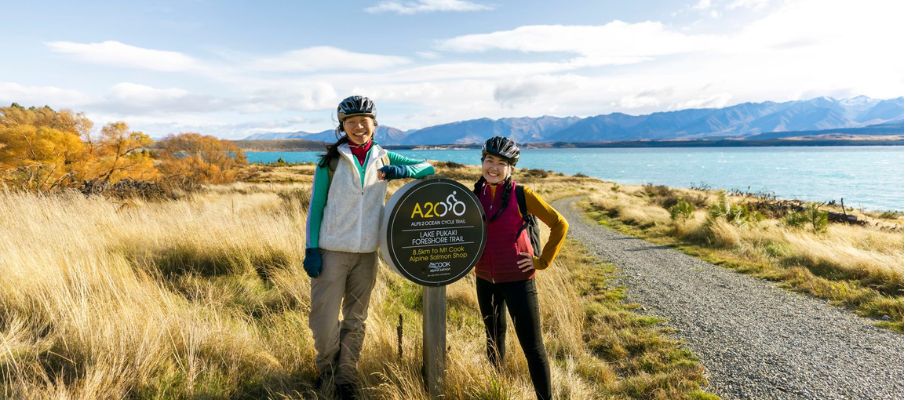
China remains one of the most important international tourism markets for both New Zealand and Australia. But the opportunity is changing. The Chinese traveller of today is not necessarily looking for the same experience, using the same channels or travelling in the same way as the Chinese visitor of a decade ago.
Travel is becoming more independent. Digital platforms are playing a bigger role in inspiration and decision-making. And for tourism operators in New Zealand and Australia, there is another opportunity that is particularly interesting: reaching Chinese-speaking travellers who are already living in this part of the world.
For operators who have traditionally viewed China as a complex or expensive market to enter, this creates an opportunity to rethink the...
At the beginning of 2026, this seemed like a pretty straightforward myth to bust - "You don't need to be on every social media platform."
Trying to maintain a presence on Instagram, Facebook, Instagram, TikTok, YouTube, Pinterest, LinkedIn, Reddit and whatever new platform appears next week can quickly become a recipe for mediocre content, a marketing team not keeping up, and a lot of time spent posting without much purpose.
Our advice was simple: choose the channels that matter most to your audience and do them well. We still stand by that advice, but...
Plot twist: AI search means you also need a broad digital footprint.
The rise of AI search however, has changed the conversation around what it means for a tourism business to be visible online because while you don't...
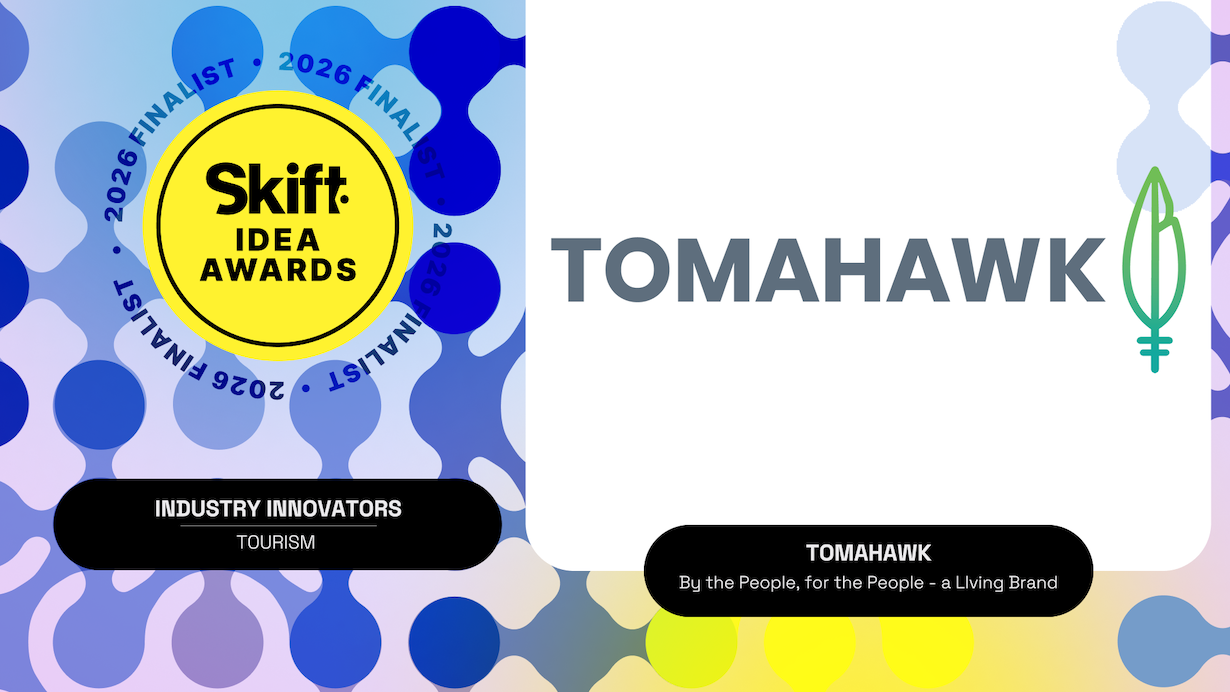
We are proud to share that we have become the first New Zealand agency to be named a finalist in the global Skift IDEA Awards, recognised in the "Industry Innovators: Tourism" category for our work creating the new Tonga Tourism destination brand.
More than 490 entries from around the world were submitted for the 2026 Skift IDEA Awards, which recognise innovative work shaping the future of travel and tourism.
Our finalist entry, “By the people, for the people – a living brand,” recognises our people-led approach to developing Tonga’s new destination brand, placing Tongan tourism stakeholders and communities at the heart of the research and brand development process.
“This is fantastic recognition for the Tomahawk team and, most importantly, for our partners at Tonga...