Marketing Mythbuster #10: I can't compete with large marketing budgets
By Tomahawk on
Large tourism brands often have the resources to run campaigns across multiple channels, produce high-end creative content and maintain a constant presence in front of potential customers. This makes any marketer or owner of a smaller business feel like it's too hard to compete!
More marketing doesn't automatically mean you can't compete.
A campaign can reach thousands of people and still deliver a poor return if it's targeting the wrong audience, communicating the wrong message or sending people to a website that doesn't convert visitors into customers.
Meanwhile, a smaller operator with a clear offer, a well-targeted campaign and a great booking experience can make every marketing dollar work harder and achieve a better comparative return on investment.
The goal is to make your marketing investment count.
5 Ways To Compete With Better Returns
You might not have the budget of the big players, but you can still make strategic choices that help your business stand out.
1. Know What Makes You Different
You don't need to appeal to everyone. In fact, trying to do so can make your marketing less effective. You can't always compete on size, but you can compete on personality, expertise, authenticity and the experience you deliver.
Define clearly who your ideal customers are, what they're looking for and why they should choose you over the alternatives. Then make sure your website, social media and paid ads communicate that value.

2. Focus Your Marketing Where It Matters
It's tempting to feel you need to be everywhere: Facebook, Instagram, TikTok, Google, email, travel directories and every new platform that appears. But spreading a limited budget across too many channels can dilute your efforts.
Start with what makes sense for your audience, your business goals and your budget. Focus on the channels that are most likely to reach your target audience and influence their booking decisions. For some businesses, that might mean investing in Google Ads to capture travellers actively searching for an experience. For others, engaging social media content, partnerships with complementary operators or a well-planned email campaign to past guests could deliver better results.
3. Make the Most of What You Already Have
One of the biggest marketing advantages smaller businesses often overlook is the value sitting right in front of them. Often, the smartest move is to make better use of what you've already built.
Your past guests, customer reviews, existing website content, email database and social media followers are all assets you can build on. Consider how you can reconnect with people who already know your business. Could you send past guests a timely offer? Encourage happy customers to leave a review? Turn a frequently asked question into a useful social media post? Repurpose a great customer testimonial across your website and marketing channels?
4. Measure Results, Not Just Activity
For smaller tourism businesses, tracking performance is particularly important because every dollar needs to work hard. Look beyond vanity metrics such as likes, impressions and follower numbers. While these can help you understand engagement and reach, they don't necessarily tell you whether your marketing is contributing to bookings.
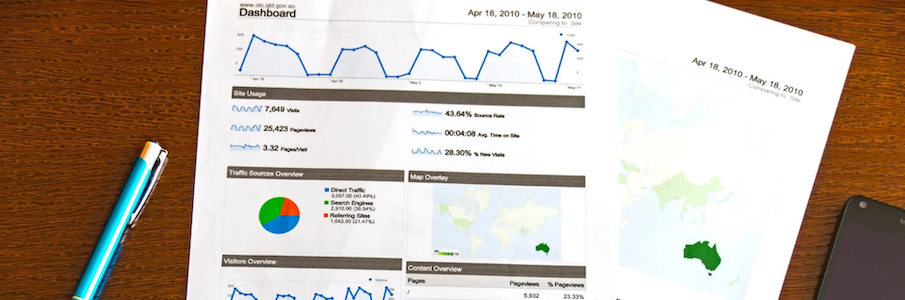
Instead, look at measures that connect to your business goals, such as website enquiries, online bookings, conversion rates, cost per booking and revenue generated by your campaigns. Use tools such as Google Analytics and your advertising platform reports to understand what's working and where your money might be better spent. If a campaign isn't delivering, don't just keep pouring money into it. Review the audience, messaging, creative and booking journey, then make changes based on what the data tells you.
5. Play the long game with your digital presence
Paid advertising can help you reach potential customers quickly, but it isn't the only way to build visibility. A website designed to convert, positive customer reviews, accurate business listings and strong relationships with other tourism businesses can all contribute to your online presence over time. The important thing is to prioritise activities that support your business goals and build on them consistently.
Search engine optimisation (SEO) can help travellers discover your website through traditional search, while Answer Engine Optimisation (AEO) and Generative Engine Optimisation (GEO) helps improve how your business is understood and referenced by AI-powered search tools. They don't all guarantee instant results, but consistently building a strong digital presence can help you attract and reassure potential customers without relying entirely on paid advertising.
Small Budget Doesn't Mean Small Opportunity
There's no denying that marketing budgets matter. More resources can create opportunities to test campaigns, reach larger audiences and invest in specialist expertise. But smaller tourism businesses have strengths that bigger brands can find harder to replicate: personal service, genuine local knowledge, flexibility and the ability to create highly individual experiences.
The trick is to make those strengths visible, put your budget behind the activities most likely to deliver results and keep learning from what works. A clear marketing plan with a few well-executed priorities is often more effective than a long list of activities that never quite get the attention they deserve.
Need a hand making your marketing budget work harder? The Tomahawk team helps tourism businesses build practical digital marketing strategies focused on visibility, enquiries and bookings. Get in touch.
Listen to Sound Advice about this Marketing Mythbuster
More in the Marketing Mythbuster Series
Our "Marketing Mythbuster" series will have a new Myth added each month throughout 2026, keep an eye on our LinkedIn newsletters, and this blog to view them all!
- Myth #1: My website is just a brochure
- Myth #2: Just post something, anything
- Myth #3: Past guests are yesterday's news
- Myth #4: SEO is Dead
- Myth #5: Brand is just a logo
- Myth #6: OTAs can handle the customer relationship
- Myth #7: I Can Do All our Our Marketing Myself
- Myth #8: You need to be on every social media platform
- Myth #9: Negative reviews will ruin my business
- Myth #10: I can't compete with big marketing budgets
Read more articles
Marketing Mythbuster #9: Negative Reviews Will Ruin My Business
By Tomahawk |
It’s easy to see why this myth feels true. In tourism, reviews can have a huge influence on booking decisions. Guests want reassurance that the accommodation, attraction or experience they’re considering will live up to...
Marketing Mythbuster #8: You need to be on every social media platform
By Tomahawk |
At the beginning of 2026, this seemed like a pretty straightforward myth to bust - "You don't need to be on every social media platform."
Trying to maintain a presence on Instagram, Facebook, Instagram, TikTok, YouTube,...
