Wellness Tourism: Not Just a Niche Trend
By Tomahawk on
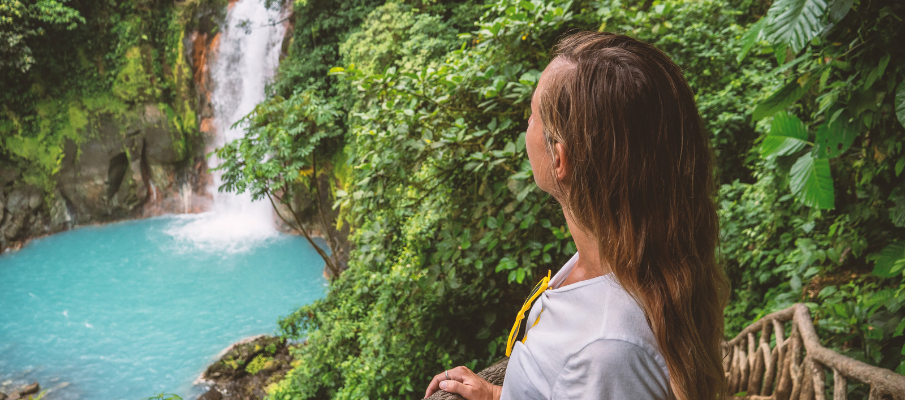
Wellness tourism has traditionally conjured up images of luxury spas, yoga retreats, meditation sessions and five-day detox programmes, but that picture is changing.
Today, wellness is becoming much broader. Travellers are looking for ways to slow down, reconnect with nature, sleep better, spend meaningful time with others, move their bodies, disconnect from technology and simply return home feeling better than when they left.
That means wellness tourism isn't just an opportunity for dedicated wellness retreats, it could be an opportunity for almost every type of tourism business.
For accommodation providers, it might be about creating an environment that supports deep rest. For an adventure operator, it could be about the wellbeing benefits of being active outdoors. For a food experience, it could be about connection to local produce and place. For a destination, it might be about creating opportunities for visitors to slow down and reconnect with the environment and local culture.
The opportunity isn't necessarily to become a "wellness business", it's to recognise the ways your existing experience can contribute to wellbeing, and then make those benefits part of the experience and your marketing.
Wellness Tourism is Growing
This isn't simply a marketing trend. According to the Global Wellness Institute, global wellness tourism expenditure reached US$893.9 billion in 2024, up significantly from US$655.1 billion in 2019. Wellness tourism has grown considerably faster than tourism overall since the pandemic.
The definition of wellness travel is also expanding. Recent wellness tourism trends include everything from deep rest, nervous system resets and privacy to cool-climate travel, nature-based experiences, destination-scale wellness and personalised wellness journeys.
Four tourism niche markets under the umbrella of Wellness we've already written about:
- Offline Is the New Luxury: Why Tech-Free Travel Is Emerging
- Ways to attract the Slow Travel market
- Sleep Tourism: Wake up to the Opportunity
- Coolcationing: The Rising Trend & How Tourism Businesses Can Benefit
What Does "Wellness" Actually Mean in Tourism?
At its simplest, wellness tourism is travel that intentionally supports or enhances a person's physical, mental or emotional wellbeing. That could be a dedicated wellness retreat. But it could also be:
- waking up somewhere quiet and surrounded by nature
- taking a guided walk through native bush
- swimming in the ocean
- cycling through a beautiful landscape
- enjoying a meal made with local produce
- learning about local culture and connection to place
- spending uninterrupted time with family
- sleeping somewhere peaceful
- disconnecting from technology
- enjoying a slower pace of travel
- simply having the space and time to breathe
This is particularly relevant to destinations like New Zealand, Australia and the Pacific. We already have many of the ingredients that wellness travellers are looking for. The opportunity therefore is to recognise them, enhance them and tell the story well.
One of the biggest misconceptions about wellness tourism is that your business needs to completely reposition yourself to take advantage of it - you don't. Your wellness story may already be there, you just need to look at your business through a different lens.
Is Wellness the New Sustainability?
There are some interesting parallels between the rise of wellness and the sustainability movement. Not in the sense of replacing sustainability, but in the sense that it could become the next major lens through which travellers think about the value of a holiday.
Sustainability encourages tourism businesses to think beyond the immediate transaction and consider their impact on the environment, communities and future generations. Wellness asks businesses to think beyond the booking and consider the quality of the experience and how travel makes people feel.
There is also an interesting intersection between the two.
- Nature-based experiences can support wellbeing while encouraging people to value and protect the environments they're experiencing.
- Local food can support both personal wellbeing and local producers.
- Slow travel can create a more meaningful visitor experience while potentially reducing some of the pressures associated with high-volume tourism.
Wellness isn't replacing sustainability, but the two are becoming increasingly connected because tourism experiences can support the wellbeing of visitors, local communities and the places they visit.
Avoid "Wellness Washing"
As wellness becomes more commercially attractive, there is a risk that businesses start using the word simply because it is trending. That's where wellness washing comes in - it is the wellness equivalent of greenwashing: making something sound more meaningful or beneficial than the actual experience supports.
So if you are integrating wellness into your marketing, you need to make the experience worthy of the claim.
How to Integrate Wellness Into Your Tourism Business
Once you've identified the elements of your experience that support wellbeing, there are several ways you can build on them.
1. Enhance the experience
Think about small changes that can make the experience more restorative. Could you create a quiet space? Improve outdoor areas? Add local produce? Provide walking maps? Offer an optional digital detox? Improve sleep conditions? Create a slower itinerary?
2. Build partnerships
You don't need to become experts in everything. Partner with local yoga instructors, guides, chefs, wellness practitioners, cultural experts, artists, producers or other tourism businesses where there is a genuine fit.
This can create richer experiences while supporting the wider visitor economy.
3. Think beyond the package
Wellness doesn't need to become a new package on your booking engine, it can be incorporated into your existing customer journey. From the content someone sees when researching their trip, to the welcome they receive, the information in their room, the activities you recommend and the memories they take home.
4. Market the feeling, not just the feature
This is where wellness becomes particularly interesting from a marketing perspective. Think about the benefits behind the offering - your wellness story tells them how it could make them feel:
- "Soak beneath the stars after a day exploring the Far North."
- "Wake to birdsong and spend your morning exploring the native bush on our doorstep."
- "Leave the notifications behind and spend a few days properly switching off."
5. Don't overpromise
Wellness marketing needs to be credible. Be particularly careful around claims relating to health, mental health, medical outcomes or specific physiological benefits - you don't need extravagant promises to sell a great wellness experience.
Often, the most compelling proposition is also the simplest: Come here. Slow down. Spend time outside. Eat well. Sleep well. Enjoy yourself.
The Future of Wellness Tourism is About Better Experiences
Wellness tourism is an opportunity to think differently about what people are actually looking for when they travel. Increasingly, people aren't just looking for somewhere to go - they're looking for how they want to feel when they get there and when they come home.
For tourism businesses, that creates a powerful opportunity to help people get more from what is already there.
Listen to Sound Advice About Wellness Tourism
