Why Always-On Marketing Matters for Tourism
By Tomahawk on
At the recent Tourism Export Council New Zealand conference, one of the key takeaways from industry leaders was clear: traditional booking trends and forward booking data can no longer be relied on in the way they once were.
Traveller behaviour around booking lead times has changed. People are making travel decisions at different points in their planning journey, with some booking well in advance while others are increasingly making decisions much closer to their travel date. The result is a booking landscape that is far less predictable than it used to be.
For tourism businesses, this creates a challenge. If you have historically looked at forward bookings and past booking patterns to determine when to turn your marketing on, increase your advertising spend or launch a campaign, those patterns may no longer provide the reliable roadmap they once did.
There is no longer one predictable booking window to market around, and that is why an always-on approach to marketing is becoming increasingly important for tourism businesses.
The booking window isn’t what it used to be
Traditional tourism marketing often followed a fairly predictable cycle.
You identified your peak booking periods, built campaigns around them, increased your advertising spend as the booking window approached, and then dialled things back once the season was underway.
That approach made sense when traveller behaviour was relatively consistent. But the modern customer journey is much less linear. Travellers might be:
- Dreaming about a destination months before they are ready to book
- Comparing options across multiple websites and platforms
- Waiting for flights or accommodation prices to change
- Making decisions based on weather forecasts
- Taking advantage of last-minute deals or availability
- Booking shorter breaks rather than longer holidays
- Travelling outside traditional peak periods
- Using AI tools and search engines to discover what to do once they have already arrived
Even within the same business, different customers can have dramatically different booking lead times. That makes it increasingly difficult to say, “Our customers usually book 60 days out, so we’ll start marketing 60 days before.” The problem is that the customer who is ready to book today doesn’t necessarily follow your historical booking pattern.
From campaigns with an end date, to marketing that is always working
This is where always-on marketing comes in - an always-on strategy keeps your business visible throughout the year.
That doesn't mean spending the same amount every day or running the exact same campaign indefinitely, it means maintaining a consistent marketing presence so that your business is discoverable whenever a potential customer enters the planning, research or booking journey.
Think of it as keeping the shop lights on: you might change what is in the window, promote different products and turn up the activity during busy periods, but customers can still find you when they are ready to walk through the door.
Why always-on matters more in an unpredictable market
1. You can’t influence demand if you aren’t visible when it happens
Always-on marketing gives your business a better chance of being present at the moment a customer starts looking. One of the biggest risks of relying on predictable booking windows is that you may only be marketing when you expect customers to be ready to buy.
If your advertising is paused, your social channels have gone quiet and your website content hasn't been updated, you may be missing customers simply because they didn't follow your expected timeline.
2. Travellers don't move through the funnel at the same speed
Not every traveller is ready to book when they first discover you.
Someone might find your destination through a social media post, visit your website, save your experience for later, search for reviews a few weeks afterwards and finally book when their travel dates are confirmed. Another person might search Google this morning and book tonight. Both are valuable customers. They just have different journeys.
Always-on marketing allows you to support customers at different stages, rather than focusing solely on those who are immediately ready to convert. Your content needs to inspire people who are dreaming, inform people who are researching and reassure people who are close to booking.
3. Consistency builds familiarity
There is another important benefit to staying visible: familiarity. Customers are more likely to feel confident booking a business they have encountered several times across their planning journey.
That might mean seeing your Instagram content, finding your website in Google search, watching a video, reading a review or encountering one of your ads. Each interaction helps build recognition.
You don't necessarily need to be the cheapest option or have the biggest advertising budget. But you do need to be visible enough that when the customer is ready to make a decision, your business is already familiar to them.
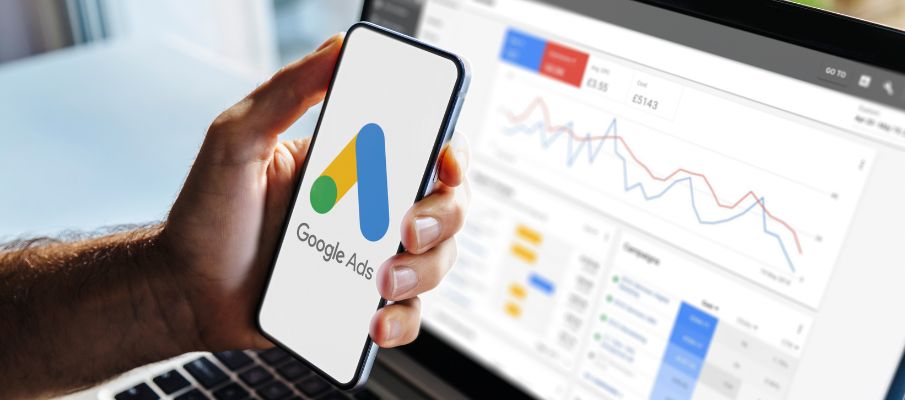
Always-on marketing works between campaigns
This is an important distinction - always-on marketing isn't about churning out content for the sake of it, it means having a strategic marketing presence that continues to work between your bigger campaigns. For example, your always-on activity might include:
Search visibility
Your website continues to target the questions and search terms potential customers use throughout the year.
Google Ads
Core campaigns remain active so customers searching with high intent can find you, while budgets and targeting are adjusted according to demand.
Social media
Regular content keeps your brand visible, showcases the experience and gives potential customers reasons to engage.
Remarketing
People who have visited your website but haven't booked can continue to encounter your business as they compare options.
Email marketing
Past guests and subscribers can be nurtured with useful inspiration, new experiences and reasons to return.
Content marketing
Helpful articles, guides and destination content can capture people earlier in their planning journey and continue generating visibility long after they are published.
The mix will look different for every business. The important thing is that there is an underlying presence rather than long periods where your marketing effectively disappears.
Your budget doesn't have to be “always on” at the same level
Just because you have an always on marketing campaign, doesn't necessarily mean you will spend more. An always-on strategy is about maintaining strategic visibility and flexing investment according to opportunity.
For example, you might have a baseline level of activity that keeps your brand visible, then increase spend around:
- High-demand booking periods
- Shoulder-season opportunities
- New product launches
- Events or festivals
- Short-term availability
- Weather-driven demand
- Special offers
- Low occupancy periods
- Emerging international or domestic markets
The strategy is more about turning the dial up and down, which gives you greater flexibility when customer behaviour doesn't follow the forecast.
.png)
The role of data becomes even more important
If booking behaviour is becoming less predictable, historical averages alone aren't enough to guide your marketing decisions so you will need to pay closer attention to what is happening now.
Look at your website traffic, search demand, booking enquiries, conversion rates, advertising performance and actual booking lead times.
- Are people booking earlier than expected?
- Are last-minute bookings increasing?
- Which markets are searching for you?
- Which products are attracting attention?
- Are certain dates or experiences suddenly gaining demand?
Your marketing should respond to these signals rather than being locked into a calendar created months ago.
This is where tools such as Google Analytics, Google Ads, search data and your booking system become incredibly valuable. Together, they can help you understand what your customers are actually doing rather than what you assume they will do.
Build an always-on foundation, then layer campaigns over the top
Campaigns still have an important role to play as they create bursts of awareness, support specific products and help you capitalise on seasonal opportunities - the key difference is that they sit on top of an always-on marketing foundation.
- Always-on marketing = the engine: It keeps your business visible, discoverable and connected to customers throughout the year.
- Campaign marketing = the accelerator: It gives you the ability to increase visibility, reach specific audiences and drive demand when there is a particular opportunity.
You need both because if you only run campaigns, you risk disappearing between them - and if you only run always-on activity without ever changing your messaging or investment, you may miss opportunities to capitalise on seasonal demand.
Ready when your customer is
While it is difficult to pinpoint the perfect booking window, it's important to build a marketing ecosystem that is working before, during and between those booking windows.
Stay visible. Stay useful. Stay relevant. Then turn up the volume when the opportunity is there, because when booking behaviour is unpredictable, being switched off is a risk you don't need to take.
Listen to Sound Advice about Always-on Marketing for Tourism
Read more articles
Marketing Mythbuster #8: You need to be on every social media platform
By Tomahawk |
At the beginning of 2026, this seemed like a pretty straightforward myth to bust - "You don't need to be on every social media platform."
Trying to maintain a presence on Instagram, Facebook, Instagram, TikTok, YouTube,...
Tomahawk Becomes First New Zealand Agency Named Finalist in Global Skift IDEA Awards
By Tomahawk |
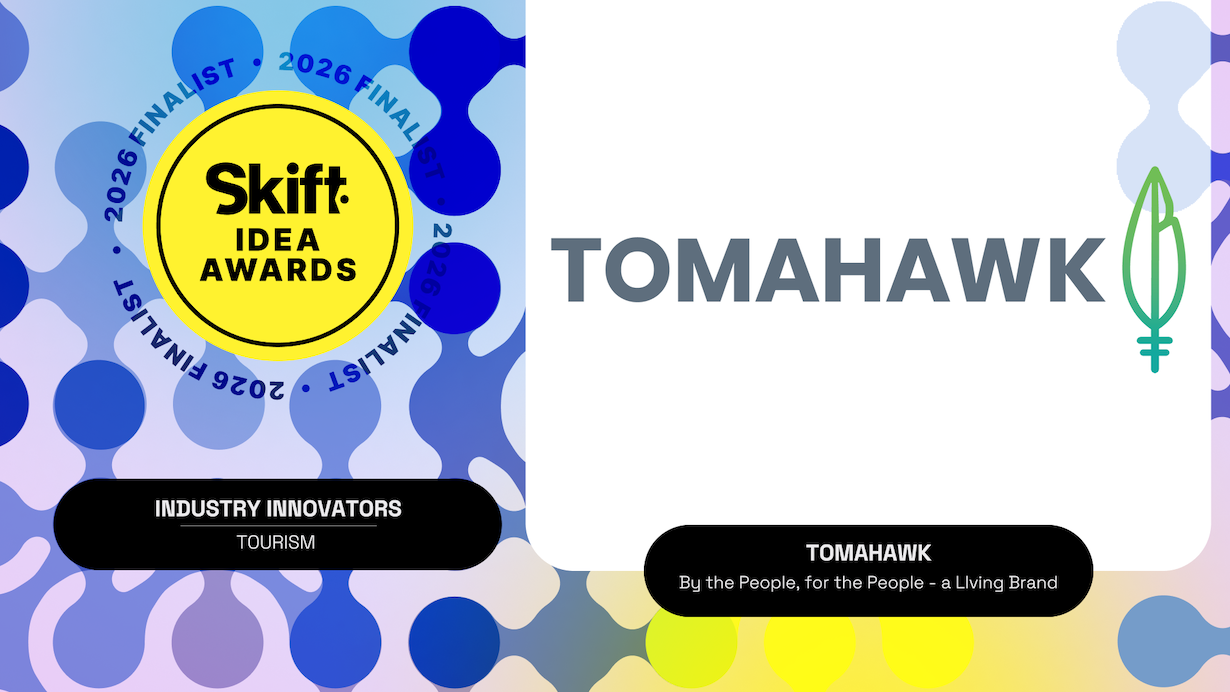
We are proud to share that we have become the first New Zealand agency to be named a finalist in the global Skift IDEA Awards, recognised in the "Industry Innovators: Tourism" category for our work creating the new Tonga Tourism...
